Transforming Education: The Power of Deep Curriculum and Differentiated Learning
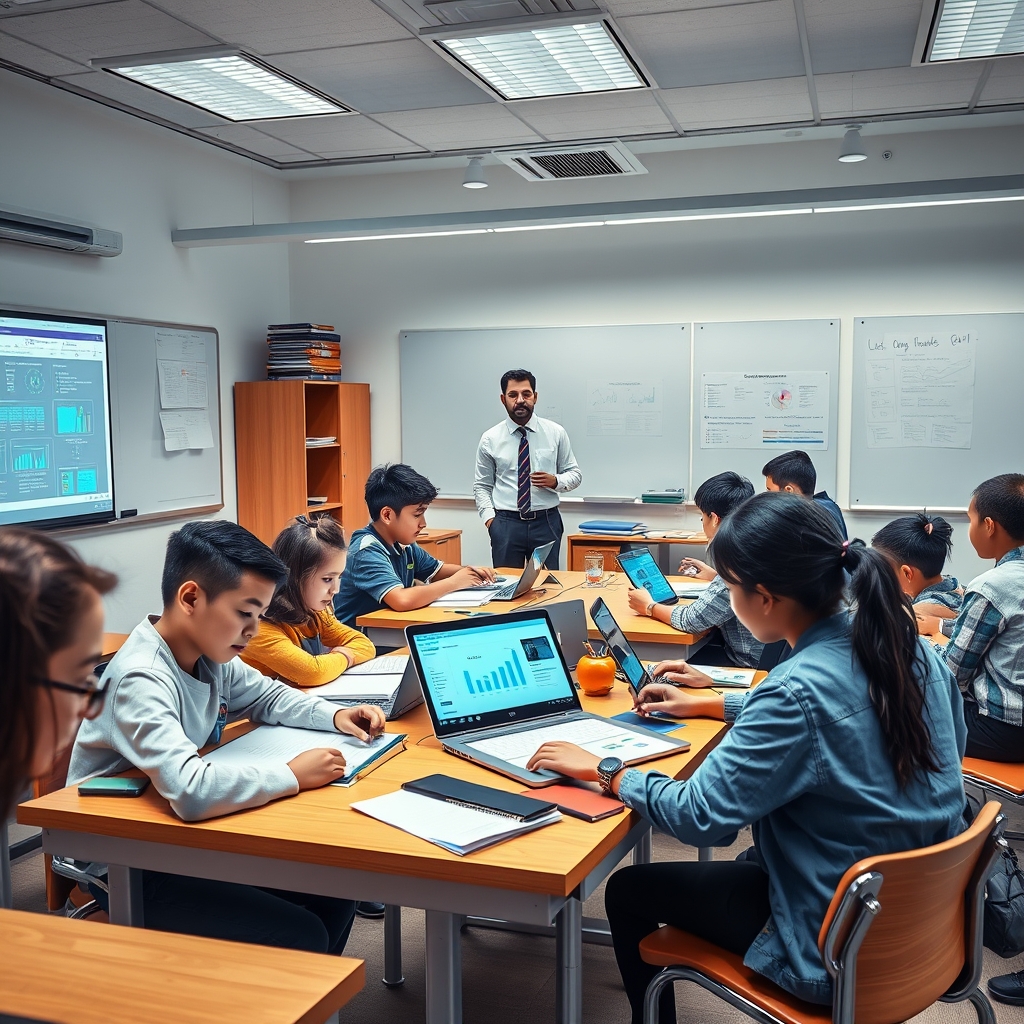
In the ever-evolving landscape of education, the need for a more dynamic, inclusive, and student-centered approach has never been more pressing. The traditional model of education, with its one-size-fits-all curriculum and rigid assessment methods, is increasingly seen as inadequate in preparing students for the complexities of the 21st century. Enter the concept of Kurikulum Mendalam (Deep Curriculum), a comprehensive approach that emphasizes the integration of Capaian Pembelajaran (Learning Outcomes), Alur Tujuan Pembelajaran (Learning Pathways), and Rancangan Pelaksanaan Pembelajaran (Lesson Plans) to create a holistic learning experience.
Understanding Kurikulum Mendalam
Kurikulum Mendalam is not just about the content that is taught; it is about the depth and breadth of understanding that students achieve. It involves a careful alignment of learning outcomes, assessment methods, and instructional strategies to ensure that students not only know the material but can also apply it in real-world contexts. This approach is rooted in the belief that education should be transformative, empowering students to become critical thinkers, problem solvers, and lifelong learners.
Key Components of Kurikulum Mendalam
Several key components make up Kurikulum Mendalam. First, there is the emphasis on Capaian Pembelajaran, which outlines what students should know and be able to do by the end of a unit or course. These outcomes are not just superficial; they are deeply integrated into the curriculum, ensuring that students achieve a comprehensive understanding of the subject matter.
Second, Alur Tujuan Pembelajaran plays a crucial role in Kurikulum Mendalam. This component outlines the sequence of learning experiences that students will go through to achieve the desired outcomes. It ensures that the learning path is logical, engaging, and aligned with the students’ needs and interests.
Finally, Rancangan Pelaksanaan Pembelajaran is the blueprint for how the curriculum will be delivered. It includes detailed lesson plans, instructional strategies, and assessment methods that are tailored to the students’ needs and abilities.
Pembelajaran Diferensiasi: Meeting the Needs of All Students
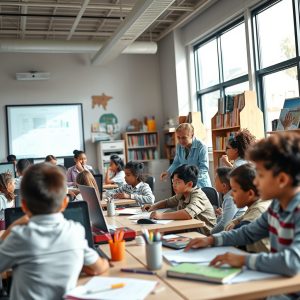
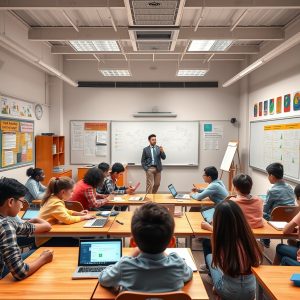
In a diverse classroom, students come with varying abilities, interests, and learning styles. Pembelajaran Diferensiasi (Differentiated Learning) is a strategy that recognizes and addresses these differences, ensuring that all students have the opportunity to learn and succeed. This approach involves tailoring instruction, assessment, and materials to meet the unique needs of each student.
Strategies for Pembelajaran Diferensiasi
There are several strategies for implementing Pembelajaran Diferensiasi. One effective method is Asesmen Diagnostik Formatif, which involves assessing students’ prior knowledge and skills to identify their strengths and areas for improvement. This information is then used to tailor instruction and provide targeted support.
Another strategy is the use of Modul Ajar Pembelajaran (Learning Modules), which are designed to meet the diverse needs of students. These modules provide a range of activities, materials, and assessments that can be adapted to suit different learning styles and abilities.
Additionally, Metode Project Based Learning (Project-Based Learning) can be used to engage students and provide them with opportunities to apply their knowledge and skills in real-world contexts. This approach encourages collaboration, critical thinking, and problem-solving, making learning more meaningful and relevant.
Transforming Education: The Role of Technology
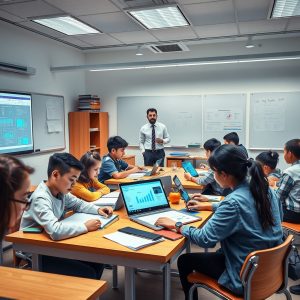
Technology has the potential to revolutionize education, making it more accessible, engaging, and effective. One such innovation is the use of Pembelajaran Berbasis Data Digital (Digital Data-Based Learning), which involves the collection and analysis of data to inform instruction and support student learning.
Pembelajaran Berbasis Data Digital
Pembelajaran Berbasis Data Digital involves the use of data analytics to track student progress, identify areas for improvement, and provide targeted support. This approach is particularly useful in Kurikulum Mendalam, where the alignment of learning outcomes, assessment methods, and instructional strategies is crucial.
Additionally, the use of Gamifikasi Metode Pengajaran (Gamification) can make learning more engaging and motivating. By incorporating game elements such as points, badges, and leaderboards, educators can create a more interactive and enjoyable learning experience.
Furthermore, the implementation of Pendekatan Flipped Classroom can enhance student engagement and deepen understanding. In this approach, students learn the material at home through videos or other digital resources, and then apply their knowledge in the classroom through discussions, activities, and assessments.
Conclusion
In conclusion, Kurikulum Mendalam and Pembelajaran Diferensiasi are powerful tools for transforming education. By emphasizing the integration of learning outcomes, assessment methods, and instructional strategies, and by recognizing and addressing the diverse needs of students, educators can create a more dynamic, inclusive, and student-centered learning environment. The role of technology, particularly Pembelajaran Berbasis Data Digital and Gamifikasi Metode Pengajaran, further enhances the effectiveness of these approaches. As we continue to evolve and adapt, the goal remains the same: to empower students to become critical thinkers, problem solvers, and lifelong learners, prepared to meet the challenges of the 21st century.