Transforming Indonesian Education: The Power of Experiential and Inclusive Learning in the Merdeka Belajar Era
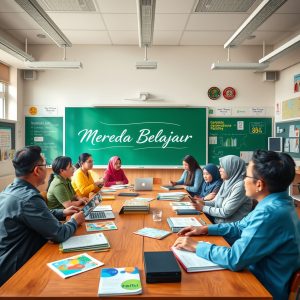
Indonesia’s education landscape is undergoing a profound transformation, driven by the Merdeka Belajar Initiative and a growing emphasis on innovative, student-centered approaches. At the heart of this shift is the recognition that traditional rote learning methods are no longer sufficient to prepare students for the complexities of the 21st century. Instead, educators, policymakers, and communities are embracing models that prioritize experiential learning, inclusive education strategies, and the integration of technology to create dynamic, equitable, and future-ready classrooms.
The Rise of Experiential Learning in Indonesia
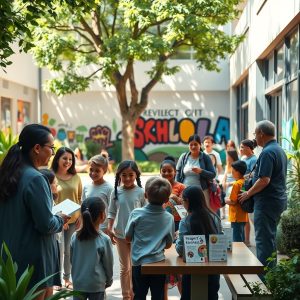
Experiential learning, or learning by doing, has emerged as a cornerstone of modern pedagogy in Indonesia. This approach moves beyond theoretical knowledge, encouraging students to engage directly with real-world challenges through project-based learning and hands-on activities. For example, schools in rural areas are increasingly adopting nature-based learning, where students explore local ecosystems, conduct environmental studies, and develop solutions to community issues like waste management or sustainable agriculture. These initiatives not only deepen academic understanding but also foster critical thinking, creativity, and a sense of responsibility toward the environment.
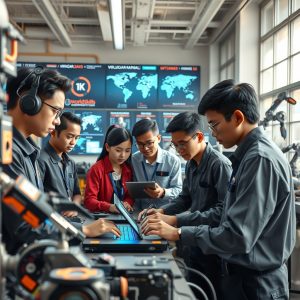
Urban schools, too, are leveraging experiential learning by partnering with industries and local businesses to provide vocational skills training. Students in cities like Jakarta and Surabaya are gaining practical experience in fields such as digital marketing, coding, and renewable energy, bridging the gap between education and the demands of the modern workforce. This shift aligns with the Merdeka Belajar Initiative, which champions flexibility in curriculum design and empowers schools to tailor learning experiences to their students’ needs and contexts.
Digital Literacy: A Non-Negotiable Skill for the Future
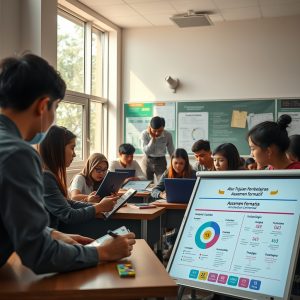
As technology continues to reshape industries and daily life, digital literacy programs have become a critical component of Indonesia’s education reform. The government, in collaboration with private sector partners, has launched initiatives to equip students and teachers with the skills needed to navigate the digital world safely and effectively. Programs like Digital Talent Scholarship and Gerakan Literasi Digital provide training in coding, cybersecurity, and digital citizenship, ensuring that learners are not just consumers of technology but also creators and responsible users.
However, the digital divide remains a significant challenge, particularly in remote and underserved regions. To address this, the Ministry of Education, Culture, Research, and Technology has rolled out technology-enabled schools, providing devices, internet access, and digital learning platforms to students in rural areas. These efforts are complemented by AI-integrated classrooms, where adaptive learning tools personalize education, catering to individual student’s pace and learning styles. For instance, AI-driven platforms like Ruangguru offer interactive lessons, instant feedback, and data-driven insights to help teachers identify and address learning gaps.
Inclusive Education: Leaving No Student Behind
Inclusivity is a key pillar of Indonesia’s education transformation. Inclusive education strategies aim to ensure that all students, regardless of their abilities, socioeconomic background, or geographic location, have access to quality learning opportunities. Schools are increasingly adopting adaptive curriculum implementation, which allows for differentiated instruction to meet the diverse needs of learners. For example, students with disabilities are provided with assistive technologies, such as screen readers or sign language interpreters, while gifted students are offered advanced coursework or enrichment programs.
Community-led schooling has also gained traction as a means to promote inclusivity. In regions like Papua and Nusa Tenggara, where access to formal education is limited, local communities are taking the lead in establishing alternative learning centers. These centers often incorporate cultural contextual education, integrating indigenous knowledge and traditions into the curriculum. This not only preserves cultural heritage but also makes learning more relevant and engaging for students.
Teacher Professional Development: The Backbone of Reform
No education reform can succeed without well-trained and motivated teachers. Recognizing this, Indonesia has placed a strong emphasis on teacher professional development as part of the Merdeka Belajar Initiative. Programs like Penguatan Kompetensi Guru (Teacher Competency Strengthening) provide educators with training in modern pedagogical techniques, such as student-centered pedagogy and collaborative learning networks. These programs encourage teachers to move away from traditional lecture-based instruction and instead facilitate interactive, discussion-driven classrooms where students take an active role in their learning.
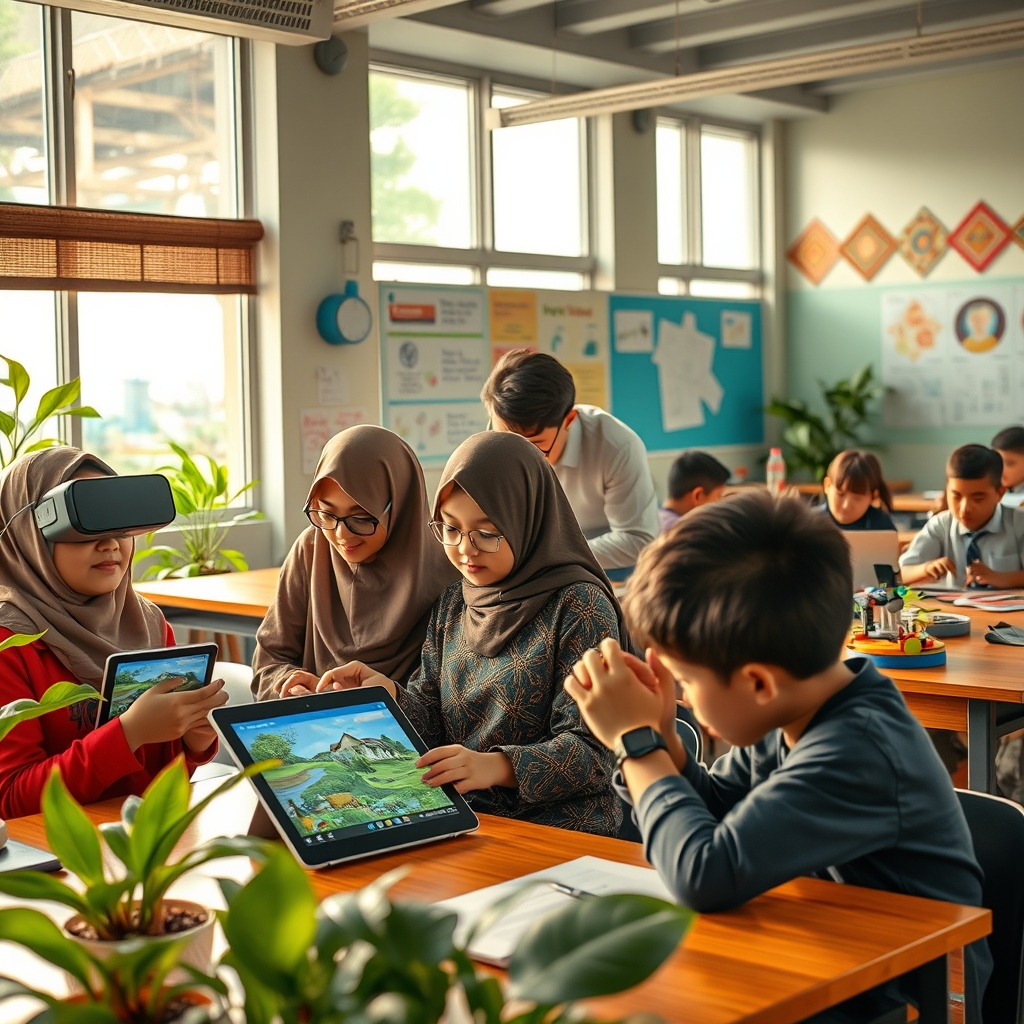
Moreover, teachers are being equipped with the skills to integrate technology into their teaching practices. Workshops on AI-integrated classrooms and digital tools help educators leverage technology to enhance learning outcomes. For example, teachers are learning how to use virtual reality (VR) to create immersive learning experiences, such as virtual field trips to historical sites or simulations of scientific experiments. These innovations not only make learning more engaging but also help students develop the digital skills they will need in the future.
Holistic Development: Beyond Academic Achievement
Indonesia’s education reform is not just about academic excellence; it is also about nurturing well-rounded individuals. Holistic development models are being integrated into schools to support students’ social, emotional, and physical well-being. Programs like Pendidikan Karakter (Character Education) emphasize values such as empathy, resilience, and teamwork, helping students develop the soft skills needed to thrive in a rapidly changing world.
Early childhood education is another area of focus, with initiatives aimed at early childhood stimulation to ensure that young learners develop foundational cognitive, motor, and social skills. Play-based learning and interactive activities are central to these programs, fostering curiosity and a love for learning from an early age. Additionally, schools are incorporating mindfulness practices, physical education, and arts into the curriculum to promote overall well-being.
Global Perspectives and Student Mobility
As Indonesia’s education system evolves, there is a growing emphasis on preparing students for a globalized world. Global student mobility programs, such as scholarships and exchange initiatives, are providing Indonesian students with opportunities to study abroad and gain exposure to different cultures and educational systems. These experiences not only broaden students’ perspectives but also equip them with the skills to collaborate and compete in an increasingly interconnected world.
At the same time, Indonesia is attracting international students through programs like Darmasiswa, which offers scholarships for foreign students to study Indonesian language and culture. These exchanges foster cross-cultural understanding and strengthen Indonesia’s position in the global education landscape. Domestically, schools are also promoting collaborative learning networks, where students from different regions or countries work together on projects, share ideas, and learn from one another through digital platforms.
The journey to transform Indonesia’s education system is complex and ongoing, but the progress made so far is promising. By embracing experiential learning, digital literacy, inclusivity, and holistic development, the country is laying the foundation for a future where every student has the opportunity to thrive. The Merdeka Belajar Initiative is not just a policy; it is a movement that empowers educators, students, and communities to reimagine what education can be. As these innovative approaches take root, they are not only shaping the minds of the next generation but also building a more equitable, dynamic, and resilient society for all.