Empowering Educators: How Teacher Professional Development is Transforming Indonesia’s Classrooms Through Collaborative Learning Networks
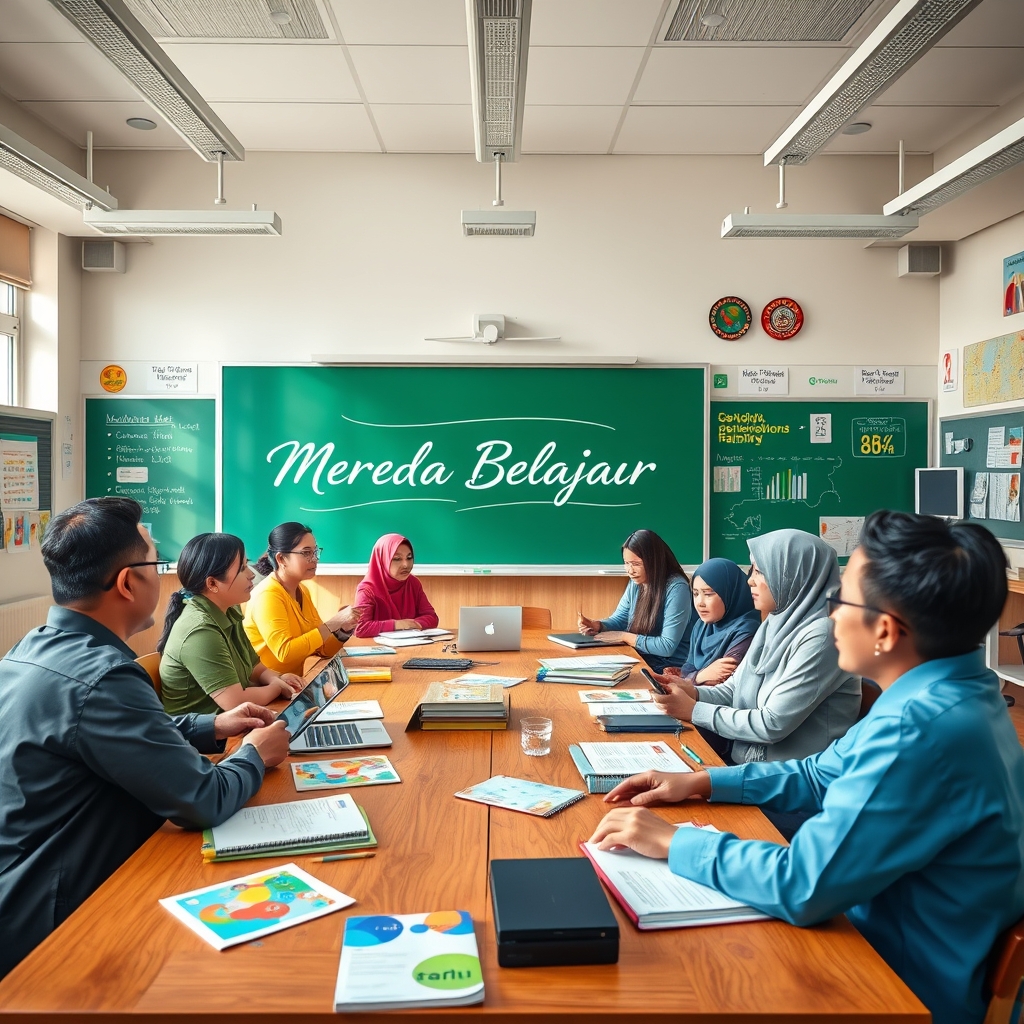
In the ever-evolving landscape of education, Indonesia’s Merdeka Belajar Initiative has placed a renewed focus on equipping teachers with the skills and knowledge to thrive in modern classrooms. Teacher professional development (TPD) is no longer just about attending workshops or completing mandatory training—it has transformed into a dynamic, collaborative process that empowers educators to innovate, adapt, and lead. At the heart of this transformation are collaborative learning networks, which are redefining how teachers grow, share, and implement best practices across the archipelago.
The Shift from Isolation to Collaboration
Traditionally, professional development for teachers in Indonesia often followed a top-down approach, with limited opportunities for peer interaction or real-world application. However, the rise of collaborative learning networks has shattered these barriers, fostering a culture of shared expertise and continuous improvement. These networks, both digital and in-person, connect educators from diverse backgrounds, enabling them to exchange ideas, co-create lesson plans, and tackle common challenges together. Platforms like Rumah Belajar and Guru Berbagi have become hubs for this collaborative spirit, providing teachers with access to resources, mentorship, and communities of practice.
Bridging the Digital Divide with Technology-Enabled Networks
Digital literacy is a cornerstone of modern education, and collaborative learning networks are playing a pivotal role in bridging the digital divide among Indonesian teachers. Through online forums, webinars, and social media groups, educators in remote areas can now connect with their counterparts in urban centers, gaining exposure to innovative teaching methods and digital tools. For instance, teachers in rural Java can collaborate with peers in Bali or Sumatra to develop project-based learning modules that incorporate local cultural contexts, ensuring that education remains relevant and engaging for all students.
Moreover, these networks are not just about sharing knowledge—they are about co-creating it. Teachers are increasingly using platforms like Google Classroom and Microsoft Teams to collaborate on curriculum development, adaptive learning strategies, and even AI-integrated classroom tools. This shift towards a more participatory model of professional development ensures that teachers are not passive recipients of information but active contributors to the evolution of education in Indonesia.
From Theory to Practice: Implementing Collaborative Learning in Schools
The impact of collaborative learning networks extends far beyond the digital realm. Schools across Indonesia are adopting peer-mentoring programs, where experienced teachers guide their colleagues in implementing student-centered pedagogy, experiential learning, and inclusive education strategies. These initiatives are particularly effective in addressing the unique needs of diverse learners, from early childhood stimulation to vocational skills training.
For example, in Yogyakarta, a group of teachers formed a local network to develop nature-based learning modules that align with Indonesia’s rich biodiversity. By collaborating with environmental experts and community leaders, they created hands-on lessons that not only teach science and sustainability but also instill a deep appreciation for the country’s natural heritage. Similarly, in Jakarta, teachers are leveraging collaborative networks to integrate AI tools into their classrooms, preparing students for a future where technology and human creativity go hand in hand.
The Role of Policy in Sustaining Teacher Growth
While grassroots efforts are driving much of the progress, the Indonesian government has also recognized the importance of supporting teacher professional development through policy. The Merdeka Belajar Initiative, for instance, emphasizes the need for adaptive curriculum implementation and evidence-based education policies that prioritize teacher autonomy and innovation. By providing funding, training, and resources for collaborative networks, the government is ensuring that these initiatives are sustainable and scalable.
One of the most promising aspects of this policy-driven approach is its focus on equitable learning access. Collaborative learning networks are helping to level the playing field for teachers in underserved areas, giving them the tools and support they need to deliver high-quality education. Whether it’s through mobile learning apps, offline workshops, or community-led schooling initiatives, these networks are breaking down barriers and creating opportunities for all educators to thrive.
As Indonesia continues to embrace the principles of Merdeka Belajar, the role of teacher professional development in shaping the future of education cannot be overstated. Collaborative learning networks are not just a trend—they are a movement, one that empowers teachers to become lifelong learners, innovators, and leaders. By fostering a culture of collaboration, Indonesia is not only transforming its classrooms but also laying the foundation for a more inclusive, adaptive, and forward-thinking education system that will serve generations to come.