Nurturing Roots, Building Futures: The Role of Community-Led Schooling and Cultural Context in Indonesian Education
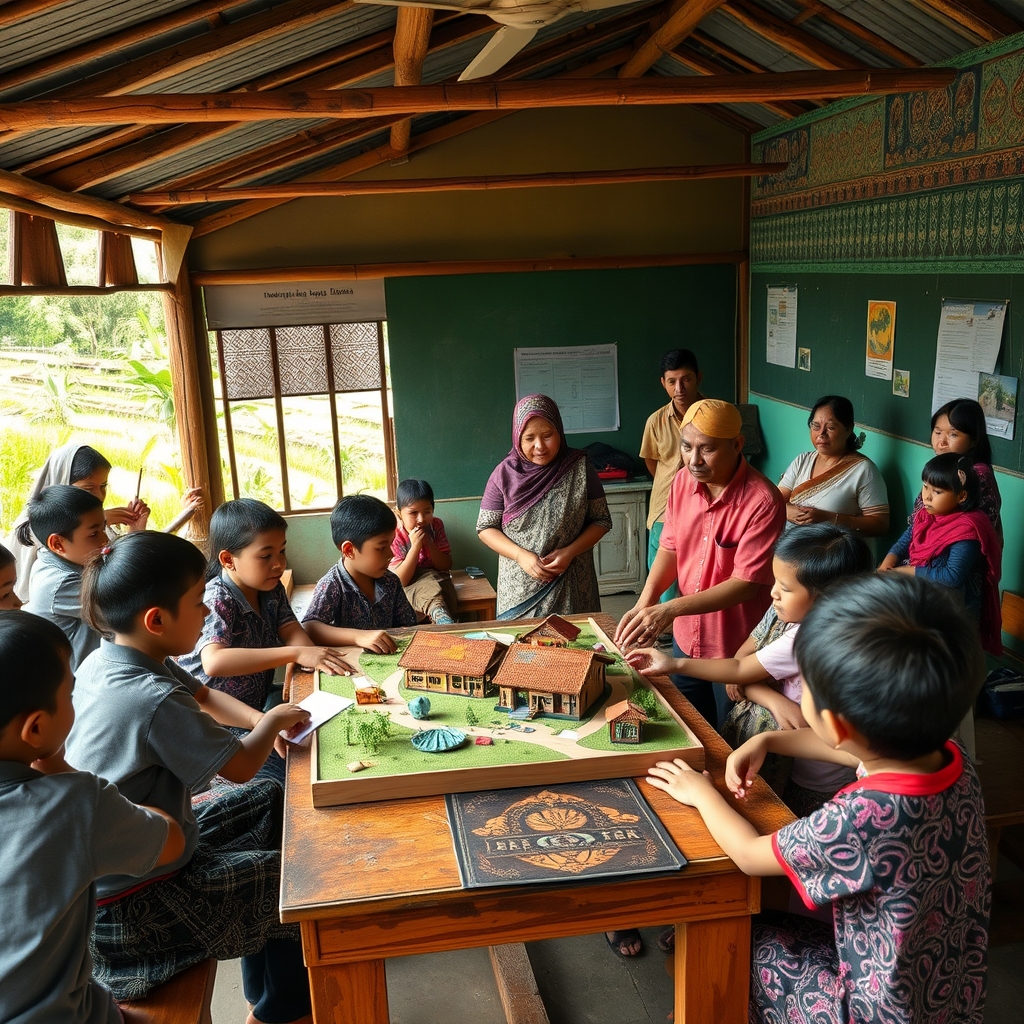
In the heart of Indonesia’s diverse archipelago, education is undergoing a quiet revolution—one that is deeply rooted in the communities it serves. The Merdeka Belajar Initiative has set the stage for transformative change, but its true potential lies in how local voices, traditions, and needs shape the learning experience. At the intersection of community-led schooling and cultural contextual education, a new paradigm is emerging, one that honors the past while preparing students for the future.
The Power of Community-Led Schooling
For decades, education in Indonesia has often been viewed through a top-down lens, with policies and curricula dictated by central authorities. While this approach ensures standardization, it can overlook the unique challenges and strengths of individual communities. Community-led schooling flips this model, placing parents, local leaders, and educators at the forefront of decision-making. This shift is not just about decentralization; it’s about empowerment.
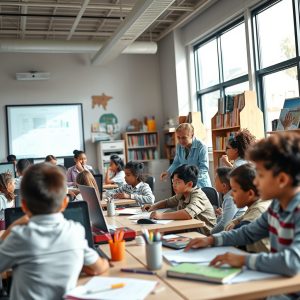
In rural villages and urban neighborhoods alike, schools are becoming hubs of collaboration. Parents contribute to curriculum design, ensuring that lessons reflect local values and economic realities. For example, in agricultural communities, schools might integrate vocational skills training in sustainable farming techniques, while coastal areas could emphasize marine conservation and fisheries management. This approach doesn’t just make education relevant—it makes it resilient, adapting to the needs of the community rather than forcing the community to adapt to a rigid system.
Breaking Barriers with Inclusive Strategies
Community-led schooling also paves the way for inclusive education strategies that address the diverse needs of Indonesia’s student population. In regions with high indigenous populations, for instance, schools are incorporating traditional languages and knowledge systems into the curriculum. This not only preserves cultural heritage but also ensures that students from marginalized backgrounds feel seen and valued in the classroom.
One inspiring example is the rise of nature-based learning programs in areas like Papua and Kalimantan. Here, schools are leveraging the natural environment as a living classroom, teaching students about biodiversity, conservation, and indigenous practices. These programs go beyond textbooks, fostering a deep connection between students and their surroundings while equipping them with skills to address real-world challenges like deforestation and climate change.
Cultural Context as the Foundation of Learning
Education is never neutral—it is shaped by the cultural, historical, and social contexts in which it exists. Recognizing this, Indonesia is increasingly embracing cultural contextual education as a cornerstone of its pedagogical approach. This means moving away from a one-size-fits-all curriculum and instead designing learning experiences that resonate with students’ lived realities.
In Java, for example, schools are integrating wayang kulit (shadow puppetry) and gamelan (traditional music) into lessons on history, storytelling, and teamwork. These cultural artifacts are not just extracurricular activities; they are tools for engagement, helping students connect abstract concepts to their own identities. Similarly, in Sumatra, schools are using batik-making to teach mathematics (through patterns and symmetry) and entrepreneurship (through market analysis and design thinking).
Technology as an Enabler, Not a Replacement
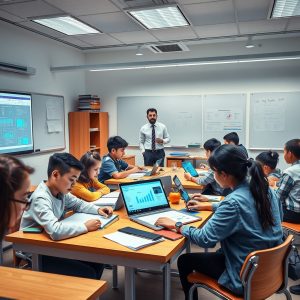
While cultural context grounds education in tradition, technology is acting as a bridge to the future. The integration of digital literacy programs and AI-integrated classrooms is not about replacing human connection but enhancing it. In urban centers like Jakarta and Surabaya, schools are using digital platforms to facilitate collaborative learning networks, allowing students to work on projects with peers from different islands or even countries. These networks foster cross-cultural understanding and prepare students for a globally connected world.
At the same time, technology is being used to address inequities in access. In remote areas, technology-enabled schools are leveraging solar-powered devices and offline digital libraries to bring quality education to students who might otherwise be left behind. Initiatives like Rumah Belajar (a digital learning platform by the Ministry of Education) are democratizing access to resources, ensuring that geography is no longer a barrier to learning.
Professional Development for a New Era
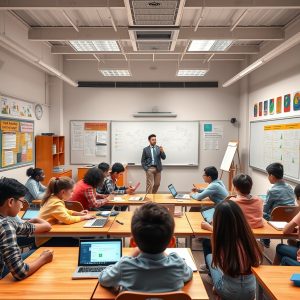
For these innovations to take root, teachers must be equipped with the skills and mindset to lead the change. Teacher professional development is evolving to focus not just on content delivery but on pedagogical transformation. Workshops on student-centered pedagogy and project-based learning are helping educators move away from rote memorization and toward experiential, inquiry-driven approaches.
Programs like Guru Penggerak (Inspiring Teachers) are training educators to become facilitators of learning rather than mere instructors. These teachers are encouraged to design lessons that are interdisciplinary, culturally relevant, and responsive to students’ interests. The result? Classrooms where curiosity is nurtured, and learning is an active, joyful process.
The Ripple Effect of Holistic Development
The impact of community-led schooling and cultural contextual education extends far beyond academic achievement. By centering education around local values and needs, these approaches are fostering holistic development models that prioritize emotional well-being, social responsibility, and ethical leadership. Students are not just learning to pass exams; they are learning to be critical thinkers, empathetic citizens, and stewards of their communities.
In Bali, for instance, schools are incorporating Tri Hita Karana (a traditional philosophy of harmony between humans, nature, and God) into their daily routines. This framework guides everything from conflict resolution to environmental projects, instilling in students a sense of balance and interconnectedness. Such models prove that education can be a force for both personal growth and societal transformation.
As Indonesia continues to navigate the complexities of the 21st century, its education system is proving that progress does not require abandoning tradition. Instead, it is about weaving the old and the new into a tapestry that is uniquely Indonesian. By embracing community-led schooling and cultural contextual education, the nation is not just educating its youth—it is nurturing the roots from which a brighter future will grow. The classrooms of today are not just preparing students for jobs; they are preparing them to shape the world, one community at a time.