From Policy to Practice: How Teacher Professional Development is Fueling Indonesia’s Education Transformation

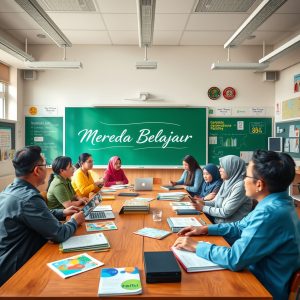
The Merdeka Belajar Initiative has emerged as a cornerstone of Indonesia’s efforts to modernize its education system, but its success hinges on one critical factor: the readiness of educators to embrace change. While policies and frameworks provide the blueprint, it is teachers who breathe life into them, translating visionary concepts into tangible classroom experiences. The transformation of Indonesian education is not merely about adopting new technologies or methodologies—it is about empowering teachers to become architects of innovation, ensuring that every student benefits from a dynamic, inclusive, and future-ready learning environment.
The Evolving Role of Teachers in the Merdeka Belajar Era
Gone are the days when teaching was confined to the transmission of information from textbooks to students. The Merdeka Belajar Initiative champions a student-centered pedagogy, where educators act as facilitators, mentors, and co-learners rather than authoritarian figures. This shift demands a fundamental reimagining of the teacher’s role—one that prioritizes adaptability, creativity, and a deep understanding of each student’s unique needs. However, this evolution does not happen overnight. It requires sustained investment in teacher professional development, equipping educators with the skills and confidence to navigate the complexities of modern classrooms.
Professional development in this context goes beyond traditional workshops or one-off training sessions. It is a continuous, iterative process that integrates theory with practice, allowing teachers to experiment, reflect, and refine their approaches. Programs like the Guru Penggerak (Teacher Leader) initiative exemplify this philosophy, fostering a community of educators who are not only proficient in pedagogical techniques but also adept at leading change within their schools. By nurturing a culture of collaboration and lifelong learning, these programs ensure that teachers remain at the forefront of educational innovation.
Bridging the Gap Between Theory and Classroom Reality
One of the most significant challenges in implementing the Merdeka Belajar Initiative is ensuring that professional development translates into meaningful classroom practices. Too often, training programs focus on theoretical concepts without providing teachers with the tools to adapt them to their specific contexts. This disconnect can lead to frustration and resistance, particularly in schools where resources are limited or where traditional teaching methods have been deeply ingrained.
To address this, professional development must be contextualized and experiential. For instance, workshops on project-based learning should include hands-on activities where teachers design and implement their own projects, receiving feedback from peers and mentors. Similarly, training on inclusive education strategies should involve case studies and role-playing exercises that help educators understand the diverse needs of their students, from those with disabilities to those from marginalized communities. By grounding professional development in real-world scenarios, teachers can develop the confidence and competence to apply new strategies effectively.
Leveraging Technology to Enhance Professional Growth
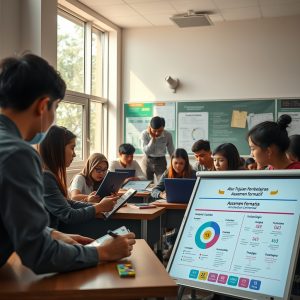
The integration of technology into education is not just about equipping classrooms with digital tools—it is also about transforming how teachers learn and grow. Digital literacy programs tailored for educators can demystify technology, demonstrating how tools like AI, virtual reality, and collaborative platforms can enhance teaching and learning. For example, AI-powered adaptive learning systems can provide teachers with insights into student performance, enabling them to tailor instruction to individual needs. Meanwhile, online communities and collaborative learning networks allow educators to share best practices, seek advice, and collaborate on projects across regions and even countries.
Indonesia’s Technology-Enabled Schools initiative is a prime example of how digital tools can support professional development. By providing teachers with access to online courses, webinars, and digital resource libraries, the initiative ensures that educators in even the most remote areas can stay updated on the latest pedagogical trends. Moreover, technology can facilitate peer learning, where teachers observe and learn from one another through virtual classrooms or recorded lessons. This not only enhances their skills but also fosters a sense of community and shared purpose.
Cultivating a Culture of Continuous Improvement
The most effective professional development programs are those that recognize teaching as a dynamic, evolving profession. In Indonesia, where educational disparities between urban and rural areas remain a challenge, it is essential to create opportunities for teachers to learn from one another and from global best practices. Global student mobility programs, for instance, can expose educators to different educational systems, broadening their perspectives and inspiring innovative approaches. Similarly, partnerships with international organizations can provide teachers with access to cutting-edge research and training opportunities.
However, professional development should not be limited to formal training. Community-led schooling initiatives, where local stakeholders—including parents, community leaders, and students—play an active role in shaping education, can also contribute to teacher growth. By engaging with the community, educators gain a deeper understanding of the cultural and social contexts in which they teach, enabling them to design more relevant and impactful learning experiences. This holistic approach ensures that professional development is not just about acquiring new skills but also about fostering a deeper connection to the purpose of education.
The Ripple Effect: How Teacher Growth Transforms Education
When teachers are empowered to grow and innovate, the benefits extend far beyond the classroom. Students become more engaged and motivated, schools become hubs of creativity and collaboration, and communities become more invested in education. The Merdeka Belajar Initiative’s emphasis on holistic development models—which prioritize not just academic achievement but also social-emotional learning, critical thinking, and real-world skills—can only be realized if teachers are equipped to deliver on this vision.
Moreover, as teachers develop their skills, they become advocates for change, inspiring their colleagues and influencing education policy at the local and national levels. The success of initiatives like vocational skills training and nature-based learning depends on educators who are not only knowledgeable but also passionate about their implementation. By investing in teacher professional development, Indonesia is not just improving education—it is laying the foundation for a more equitable, innovative, and resilient society.
The journey of transforming education is a collective one, and teachers are its most vital participants. Their growth is not a destination but a continuous process of learning, adapting, and evolving. As Indonesia strides forward in its educational reform, the commitment to nurturing its educators will determine how far and how fast the nation can go. The classrooms of today are shaping the leaders of tomorrow, and it is the hands of dedicated, empowered teachers that hold the future in balance.