The Heart of Indonesia’s Education Revolution: How Student-Centered Pedagogy and Technology Are Shaping Equitable Learning Access
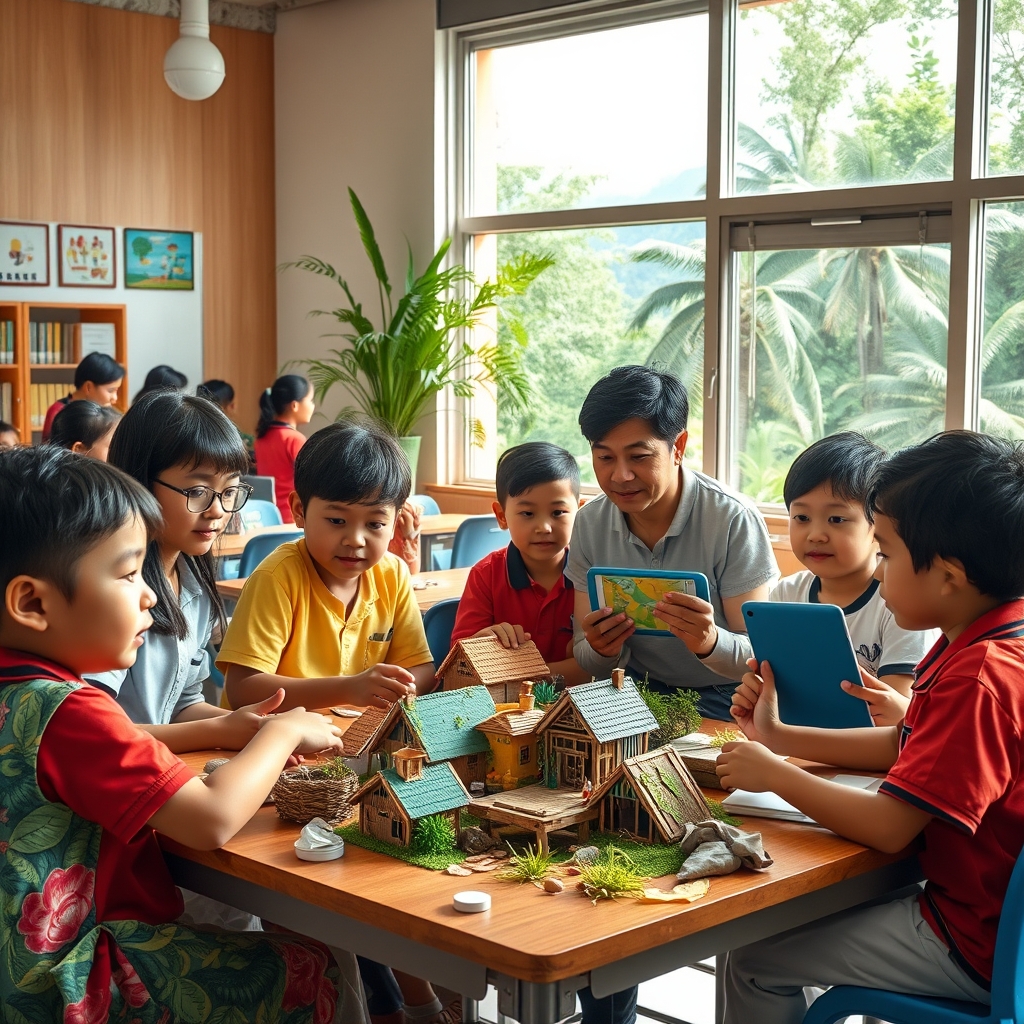
Indonesia’s education landscape is undergoing a profound transformation, one that places students at the very center of the learning experience. At the heart of this shift is the Merdeka Belajar Initiative, a bold reform designed to dismantle rigid structures and foster an environment where curiosity, creativity, and critical thinking thrive. This movement is not just about policy changes; it is about reimagining how education can serve every child, regardless of their background, abilities, or geographic location. By embracing student-centered pedagogy, schools across the archipelago are moving away from rote memorization and toward dynamic, engaging, and deeply personal learning journeys.
The Philosophy Behind Student-Centered Learning
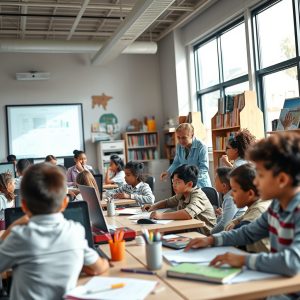
Student-centered pedagogy is more than a teaching method—it is a philosophy that recognizes learners as active participants in their own education. In Indonesia, this approach is gaining traction as educators seek to move beyond traditional, teacher-dominated classrooms. The focus shifts from what the teacher knows to what the student needs to explore, question, and discover. This method encourages students to take ownership of their learning, fostering independence, resilience, and a lifelong love for knowledge. Schools implementing this model often see higher engagement, improved retention, and a stronger sense of community among students.
One of the most compelling examples of this shift is the rise of project-based learning (PBL). Rather than passively absorbing information, students tackle real-world problems, collaborate with peers, and present solutions that have tangible impacts. For instance, a classroom in Yogyakarta might work on a project to design sustainable housing for flood-prone areas, integrating lessons in science, mathematics, and social studies while developing practical skills like teamwork and problem-solving. This hands-on approach not only makes learning more relevant but also prepares students for the complexities of the modern world.
Technology as an Equalizer in Education
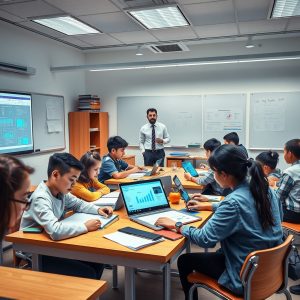
While student-centered pedagogy lays the foundation, technology acts as a powerful enabler, breaking down barriers that have long hindered equitable access to quality education. The integration of digital literacy programs and AI-integrated classrooms is democratizing learning, particularly in remote and underserved regions. Tools like adaptive learning platforms, virtual laboratories, and interactive digital textbooks are allowing students to learn at their own pace, receive personalized feedback, and explore subjects in ways that were once unimaginable.
In West Papua, for example, schools are leveraging technology to bridge the gap between urban and rural education. With limited access to specialized teachers, students in remote villages are now able to participate in virtual lessons led by experts from Jakarta or Surabaya. AI-driven tutoring systems provide additional support, helping students master difficult concepts without the need for constant teacher intervention. These innovations are not just supplementing traditional education—they are redefining what is possible, ensuring that no child is left behind simply because of where they live.
Building Inclusive Education Through Adaptive Curriculum
Inclusivity is a cornerstone of the Merdeka Belajar Initiative, and adaptive curriculum implementation is playing a pivotal role in making education accessible to all. Traditional curricula often follow a one-size-fits-all approach, which can fail students with diverse learning needs, disabilities, or different cultural backgrounds. Adaptive curricula, however, are designed to be flexible, allowing educators to tailor content, pacing, and assessment methods to meet the unique needs of each student.
For children with disabilities, this might mean incorporating assistive technologies like screen readers, speech-to-text software, or tactile learning materials. For students from indigenous communities, it could involve integrating local languages, traditions, and knowledge systems into the curriculum. Schools in Bali, for instance, are blending modern education with traditional Balinese values, ensuring that students remain connected to their cultural heritage while gaining the skills needed to succeed in a globalized world. This approach not only fosters a sense of belonging but also enriches the learning experience for all students.
The Role of Teachers in a Student-Centered Ecosystem
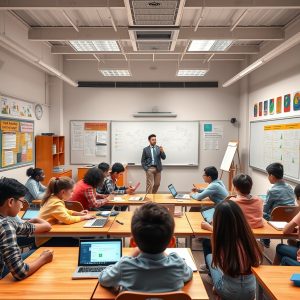
No education reform can succeed without the active involvement of teachers, and Indonesia’s shift toward student-centered learning is no exception. Teacher professional development has become a critical focus, with programs designed to equip educators with the skills and mindsets needed to facilitate rather than dictate learning. Workshops on inquiry-based teaching, differentiated instruction, and the use of educational technology are helping teachers transition from being the sole source of knowledge to becoming guides and mentors for their students.
In Bandung, a network of educators has formed collaborative learning networks to share best practices, resources, and innovative teaching strategies. These networks extend beyond individual schools, creating a community of practice that spans regions and even islands. By fostering collaboration among teachers, the education system is not only improving instructional quality but also building a support system that empowers educators to take risks, experiment with new methods, and continuously refine their craft.
Empowering Communities to Lead the Way
The success of Indonesia’s education transformation also hinges on the active participation of communities. Community-led schooling is emerging as a powerful model, particularly in areas where formal education systems have struggled to reach. Parents, local leaders, and organizations are stepping in to create learning spaces that reflect the needs and values of their communities. These initiatives often blend formal education with vocational training, ensuring that students gain both academic knowledge and practical skills that are directly applicable to their lives.
In Aceh, for example, a community-led school has integrated vocational skills training into its curriculum, teaching students everything from sustainable farming techniques to basic entrepreneurship. This approach not only prepares students for the workforce but also strengthens the local economy by equipping young people with the tools they need to contribute meaningfully to their communities. By involving families and local stakeholders in the education process, these schools are fostering a sense of collective responsibility and ensuring that learning is deeply rooted in the context of students’ lives.
As Indonesia continues to navigate the complexities of modern education, the fusion of student-centered pedagogy, technology, and community engagement is creating a system that is more inclusive, adaptive, and responsive to the needs of its diverse population. The journey is far from over, but the progress made so far offers a glimpse into a future where every child, regardless of their circumstances, has the opportunity to learn, grow, and thrive. The true measure of success will not be found in test scores or rankings, but in the confidence, curiosity, and resilience of the students who are shaping the next chapter of Indonesia’s story.