Empowering Minds: How Digital Literacy and Collaborative Networks Are Revolutionizing Indonesian Classrooms
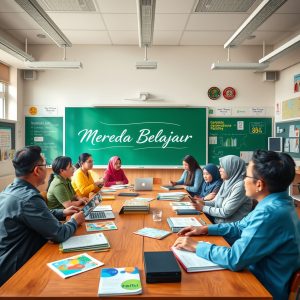
In the heart of Indonesia’s educational transformation lies a quiet revolution, one that is reshaping how students learn, teachers instruct, and communities engage with knowledge. The Merdeka Belajar Initiative has set the stage for a bold reimagining of education, where traditional classroom boundaries dissolve, and learning becomes a dynamic, student-centered experience. At the core of this shift is the recognition that education must evolve to meet the demands of a rapidly changing world—one where digital fluency, collaboration, and adaptability are not just advantages but necessities.
The Digital Literacy Imperative
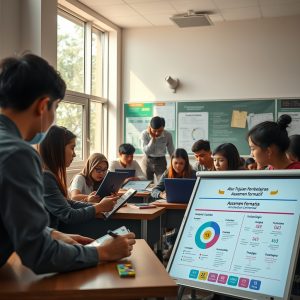
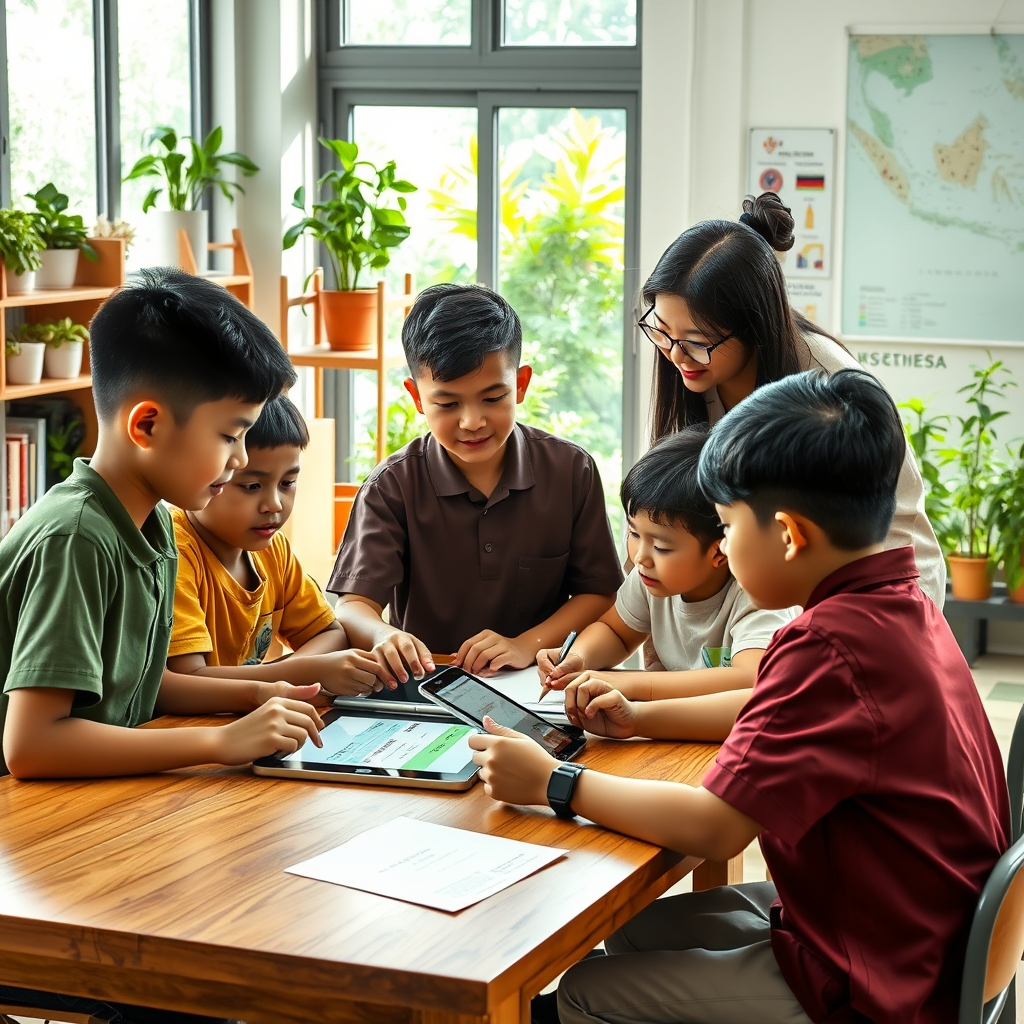
Digital literacy is no longer a supplementary skill but a fundamental pillar of modern education. In Indonesia, where technological adoption is accelerating, Digital Literacy Programs are bridging the gap between urban and rural classrooms, ensuring that no student is left behind. These programs go beyond teaching basic computer skills; they foster critical thinking, online safety, and the ability to navigate an increasingly digital world. Schools are integrating tools like coding platforms, multimedia storytelling, and virtual simulations to make learning interactive and relevant. For instance, students in remote areas are now using tablets to access open educational resources, participate in global discussions, and even develop their own digital projects—turning passive learners into active creators.
The impact of these programs extends beyond the classroom. By equipping students with digital skills, Indonesia is preparing its youth for a future where technology permeates every industry. Whether it’s agriculture, healthcare, or entrepreneurship, digital literacy empowers students to innovate, solve problems, and contribute meaningfully to their communities. Moreover, these initiatives are democratizing education, making high-quality learning resources accessible to students regardless of their geographic or socioeconomic background.
Collaborative Learning Networks: Breaking Down Classroom Walls
Education thrives in isolation only to a point. The true magic happens when students, teachers, and communities come together to share knowledge, ideas, and experiences. Collaborative Learning Networks are at the forefront of this movement, creating ecosystems where learning is a collective endeavor. In Indonesia, these networks take many forms: from school-to-school partnerships and online forums to community-led projects that address local challenges. For example, students in Jakarta might collaborate with peers in Papua to design a sustainability project, using digital tools to communicate, research, and present their solutions.
These networks also extend to teachers, who are increasingly connecting through professional learning communities. Platforms like Rumah Belajar and Guru Berbagi provide spaces for educators to share best practices, access training modules, and receive mentorship. This culture of collaboration is transforming teaching from a solitary profession into a shared journey of growth and innovation. Teachers are no longer just instructors; they are facilitators, guides, and co-learners, working alongside their students to explore new frontiers of knowledge.
Project-Based Learning: From Theory to Real-World Impact
One of the most powerful manifestations of collaborative learning is Project-Based Learning (PBL). Unlike traditional rote memorization, PBL immerses students in real-world problems, challenging them to apply their knowledge creatively and critically. In Indonesia, PBL is gaining traction as schools embrace the Merdeka Belajar philosophy, which prioritizes experiential and contextual learning. Students might design a community garden to address food security, create a business plan for a local enterprise, or develop a campaign to promote environmental conservation. These projects not only deepen subject understanding but also instill essential life skills like teamwork, communication, and resilience.
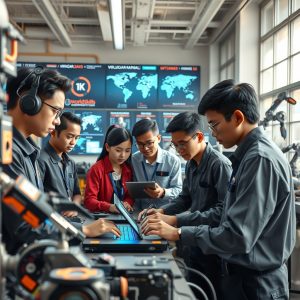
The benefits of PBL are particularly evident in vocational education. Vocational Skills Training programs are aligning with industry needs, ensuring that students graduate with practical skills that make them employable. For instance, schools are partnering with local businesses to offer apprenticeships in fields like hospitality, IT, and renewable energy. This hands-on approach not only prepares students for the workforce but also fosters a culture of entrepreneurship, where young people see themselves as agents of change in their communities.
Technology as an Enabler of Inclusive Education
While technology is often seen as a tool for efficiency, its true power lies in its ability to make education more inclusive. Technology-Enabled Schools are leveraging digital platforms to accommodate diverse learning needs, ensuring that every student has the opportunity to thrive. Adaptive learning software, for example, personalizes instruction based on a student’s pace and abilities, providing additional support where needed. For students with disabilities, assistive technologies like screen readers and speech-to-text tools are breaking down barriers, making learning more accessible than ever before.
In Indonesia, where geographic and economic disparities can limit educational opportunities, technology is leveling the playing field. Online learning platforms are bringing quality education to remote islands and underserved communities, while mobile apps are providing flexible learning options for students who may not have access to traditional classrooms. The integration of AI in the classroom is further enhancing this inclusivity, offering real-time feedback, automating administrative tasks, and even providing virtual tutoring. These innovations are not just improving academic outcomes; they are fostering a sense of belonging and confidence among students who might otherwise feel marginalized.
Cultural Contextual Education: Learning Rooted in Identity
Education is most effective when it resonates with the cultural and social context of the learner. Cultural Contextual Education ensures that learning is not just relevant but also empowering, helping students connect their education to their heritage, values, and aspirations. In Indonesia, a country rich in diversity, this approach is particularly vital. Schools are incorporating local languages, traditions, and histories into the curriculum, making learning a celebration of identity. For example, students might study indigenous knowledge systems alongside modern science, or explore traditional arts as part of their creative expression.
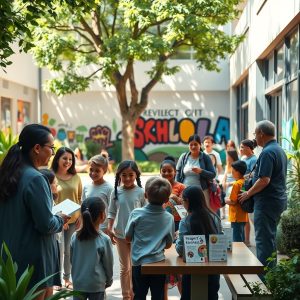
This cultural grounding extends to Nature-Based Learning, where the environment becomes a classroom. Indonesia’s vast natural landscapes—from rainforests to coastal ecosystems—offer endless opportunities for experiential learning. Students might study biodiversity in a local mangrove forest, learn about sustainable farming practices in rural communities, or explore climate change through hands-on conservation projects. By connecting education to the natural world, schools are nurturing a generation of environmentally conscious citizens who understand the importance of preserving their heritage for future generations.
As Indonesia continues to navigate the complexities of modern education, the focus remains on creating systems that are not just inclusive and adaptive but also deeply human. The Merdeka Belajar Initiative is more than a policy; it is a movement that recognizes the potential of every student to shape their own future. By embracing digital literacy, collaborative networks, and culturally rooted learning, Indonesia is not just preparing its youth for the challenges ahead—it is empowering them to redefine what education can be. In this journey, the classroom is no longer a place of passive instruction but a vibrant space of discovery, where every voice is heard, and every mind is inspired to soar.