The Future of Learning: How AI and Vocational Training Are Crafting Indonesia’s Next-Generation Workforce
Indonesia’s education landscape is undergoing a profound transformation, driven by innovative policies and pedagogical shifts that prioritize real-world skills, adaptability, and inclusivity. At the heart of this evolution lies the Merdeka Belajar Initiative, a bold reform that empowers educators and students alike to break free from rigid traditional frameworks. One of the most exciting developments within this initiative is the integration of vocational skills training and AI-integrated classrooms, which are redefining what it means to prepare students for the future.
The Rise of Vocational Skills Training in Indonesia
For decades, Indonesia’s education system has been criticized for its overemphasis on theoretical knowledge, often leaving graduates ill-equipped for the demands of the modern workforce. Recognizing this gap, the government has placed a renewed focus on vocational skills training, aligning education with industry needs. Schools and vocational institutions are now offering specialized programs in fields such as digital marketing, renewable energy, robotics, and hospitality, ensuring students gain hands-on experience that directly translates to employability.
This shift is not just about job readiness—it’s about economic empowerment. By equipping students with practical skills, Indonesia is fostering a generation of entrepreneurs and skilled workers who can drive local economies. For example, in regions like Bali and Yogyakarta, vocational schools have partnered with tourism and creative industries to offer training in sustainable hospitality and traditional craftsmanship, blending modern techniques with cultural heritage. These programs are not only preserving Indonesia’s rich traditions but also creating pathways for students to thrive in a globalized world.
AI in the Classroom: A Game-Changer for Personalized Learning
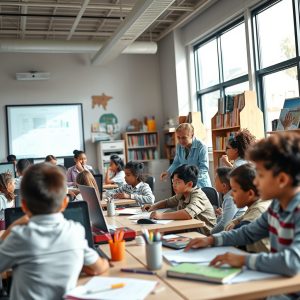
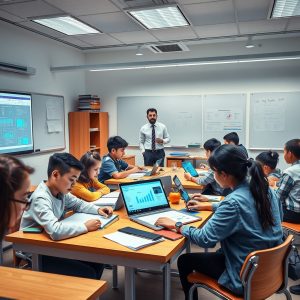
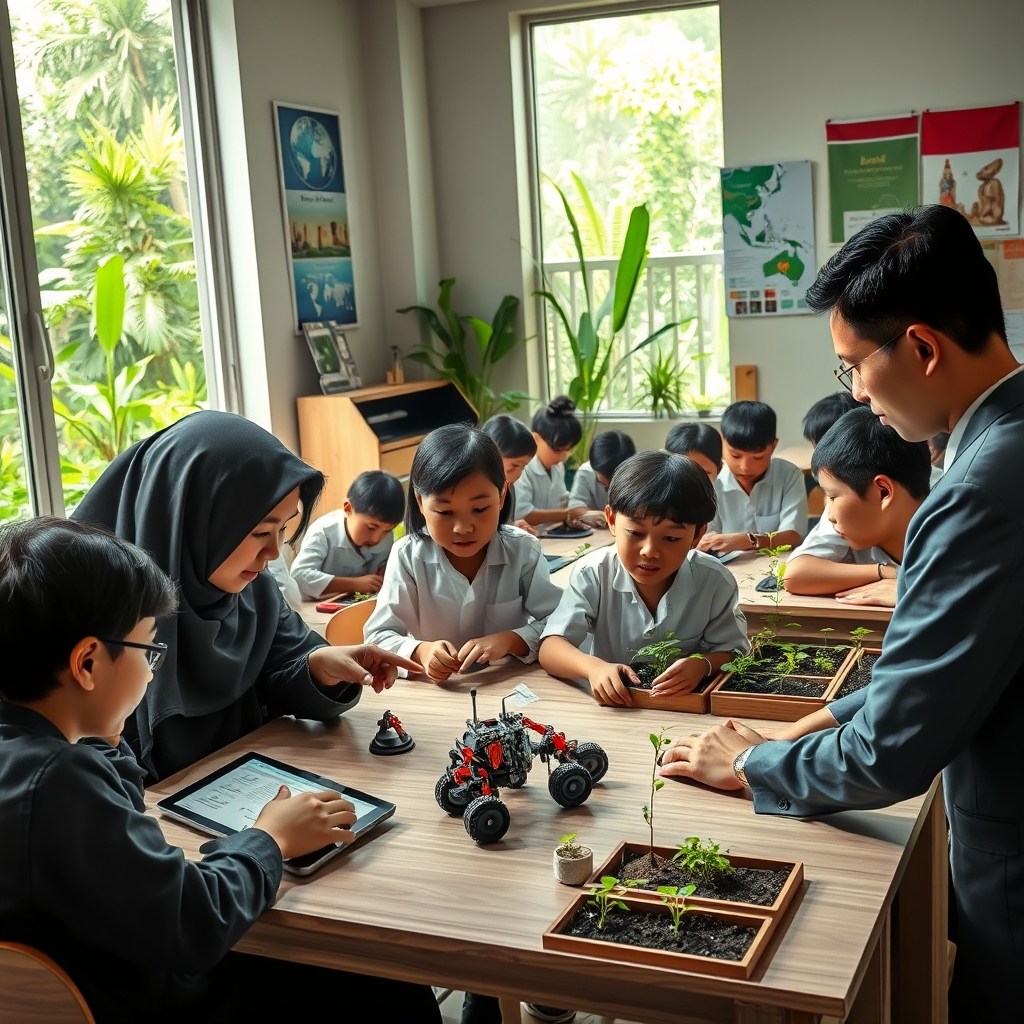
While vocational training addresses the skills gap, AI-integrated classrooms are revolutionizing how students learn. Artificial intelligence is no longer a futuristic concept—it’s a tangible tool that is enhancing student-centered pedagogy by providing personalized learning experiences. Adaptive learning platforms, powered by AI, analyze students’ strengths and weaknesses, tailoring lessons to their individual needs. This approach ensures that no student is left behind, particularly in a diverse country like Indonesia, where learning abilities and access to resources vary widely.
For instance, AI-driven applications are being used to teach languages, mathematics, and even coding, offering interactive and engaging content that keeps students motivated. Teachers, too, benefit from AI tools that automate administrative tasks, allowing them to focus more on mentoring and fostering critical thinking. In Jakarta and Surabaya, pilot programs have shown that AI can significantly improve student outcomes, particularly in subjects where traditional teaching methods have struggled to engage learners.
Bridging the Digital Divide with Technology-Enabled Schools
Of course, the integration of AI and digital tools is not without its challenges. Indonesia’s vast archipelago presents unique obstacles, including uneven access to technology and internet connectivity. To address this, the government has launched initiatives to establish technology-enabled schools in remote areas, ensuring that students in rural communities are not left behind. These schools are equipped with digital learning resources, such as tablets and online libraries, and are supported by digital literacy programs that teach students and teachers how to navigate the digital world safely and effectively.
Moreover, partnerships with private sector companies have played a crucial role in expanding access to technology. For example, tech giants like Google and Microsoft have collaborated with Indonesian schools to provide free or subsidized software, training, and infrastructure. These efforts are not only democratizing education but also preparing students for a future where digital fluency is as essential as reading and writing.
Preparing Students for a Globalized World
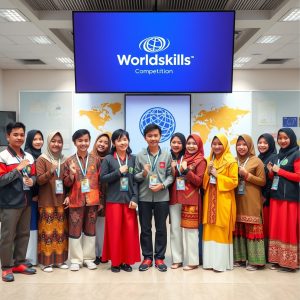
The combination of vocational training and AI integration is doing more than just preparing students for local job markets—it’s positioning them to compete on a global stage. Indonesia’s youth are increasingly participating in global student mobility programs, studying abroad, and engaging in international collaborations. These experiences expose them to diverse perspectives, fostering cultural awareness and adaptability, which are invaluable in an interconnected world.
At the same time, Indonesia is embracing collaborative learning networks, where students and educators from different regions and countries work together on projects, share resources, and learn from one another. These networks are breaking down geographical barriers and creating a sense of global citizenship among students. For example, a student in Bandung might collaborate with peers in Singapore or Australia on a sustainability project, using digital tools to communicate and innovate together.
The Role of Teachers in This New Era
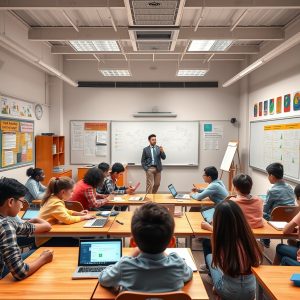
While technology and vocational training are transforming education, the role of teachers remains irreplaceable. Teacher professional development has become a cornerstone of Indonesia’s education reforms, with educators receiving training in modern pedagogical approaches, digital literacy, and inclusive teaching strategies. Workshops and online courses are helping teachers adapt to the changing landscape, ensuring they can effectively integrate technology into their classrooms and foster environments where students feel empowered to explore, question, and create.
Teachers are also being encouraged to adopt project-based learning and experiential learning methodologies, which emphasize real-world problem-solving and critical thinking. These approaches not only make learning more engaging but also help students develop the soft skills—such as collaboration, communication, and resilience—that are essential for success in the 21st century.
As Indonesia continues to navigate the complexities of modern education, the fusion of vocational training, AI, and global connectivity is creating unprecedented opportunities for its students. The focus is no longer solely on academic achievement but on nurturing well-rounded individuals who are equipped to thrive in an ever-changing world. By embracing these innovations, Indonesia is not just transforming its education system—it’s shaping a future where every student has the tools and confidence to turn their dreams into reality. The journey is far from over, but the foundations being laid today are paving the way for a brighter, more inclusive tomorrow.