Beyond the Classroom Walls: How Nature-Based and Early Childhood Learning Are Redefining Indonesia’s Educational Horizon
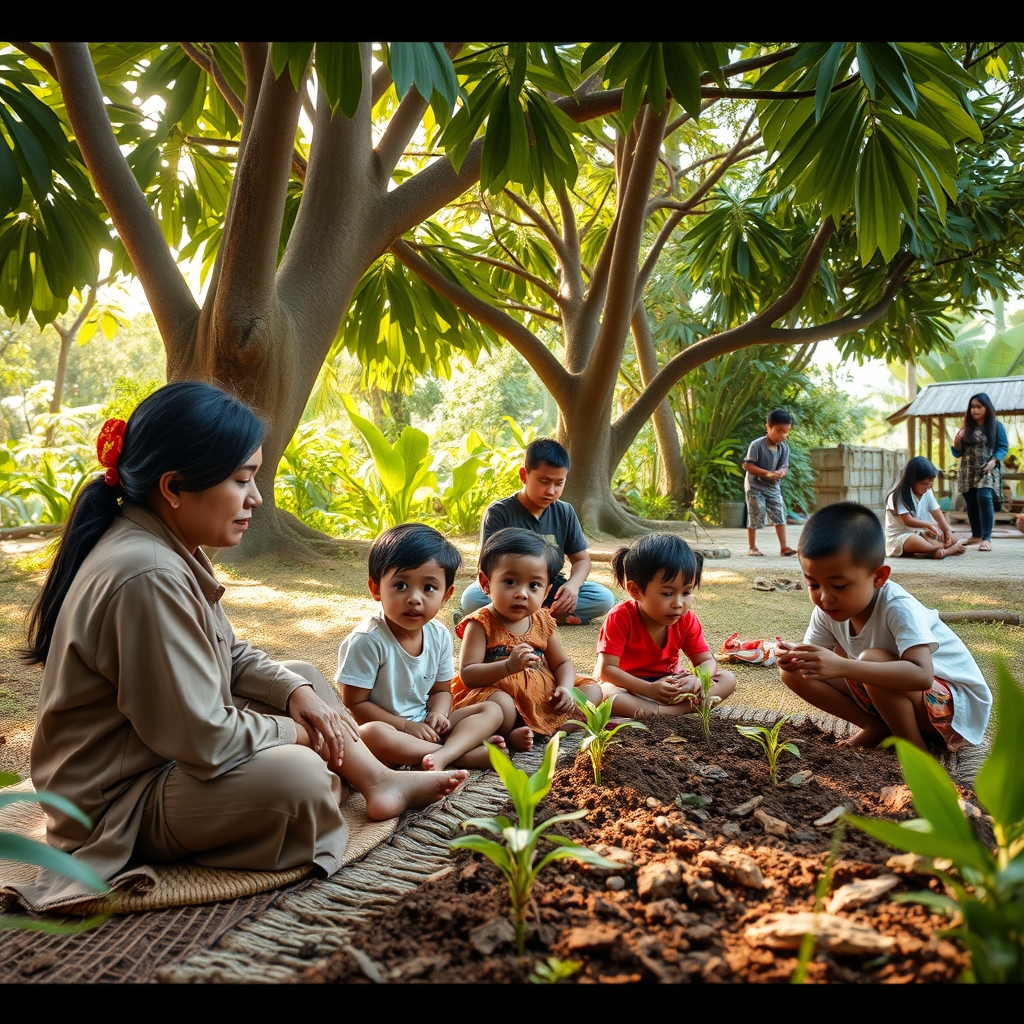
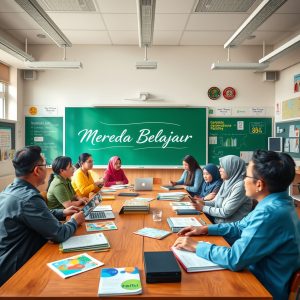
Indonesia’s education system is undergoing a quiet revolution, one that extends far beyond traditional classrooms and into the heart of communities, natural landscapes, and the earliest stages of childhood development. At the forefront of this transformation is the Merdeka Belajar Initiative, a policy framework designed to liberate learning from rigid structures and foster environments where students thrive through exploration, creativity, and connection. Among the most compelling shifts is the integration of nature-based learning and early childhood stimulation, two approaches that are reshaping how young Indonesians engage with knowledge, their peers, and the world around them.
The Rise of Nature-Based Learning in Indonesia
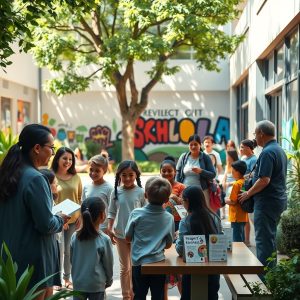
For generations, education in Indonesia has been synonymous with four walls, desks in neat rows, and a curriculum dictated by standardized tests. Yet, a growing body of research—and a wave of innovative educators—are challenging this paradigm. Nature-based learning, an approach that immerses students in outdoor environments to foster curiosity and hands-on discovery, is gaining traction across the archipelago. Schools in Bali, for instance, have embraced forest schools, where children learn mathematics through counting seeds, science through observing ecosystems, and teamwork through collaborative outdoor projects.
This method is not merely about taking lessons outside; it is about redefining the purpose of education. Proponents argue that nature-based learning cultivates resilience, problem-solving skills, and a deep sense of environmental stewardship—qualities essential for Indonesia’s future leaders. In West Java, programs like Green School Indonesia have demonstrated how outdoor education can be seamlessly integrated with core subjects, proving that the natural world is not just a backdrop for learning but a dynamic classroom in its own right.
Why Nature-Based Learning Resonates in Indonesia
Indonesia’s rich biodiversity and cultural reverence for nature make it an ideal setting for this educational model. From the lush rainforests of Sumatra to the coral reefs of Raja Ampat, the country’s ecosystems offer endless opportunities for experiential learning. Moreover, nature-based programs align with the principles of student-centered pedagogy, where learners take an active role in their education. This shift is particularly impactful in rural areas, where access to traditional school infrastructure may be limited, but natural resources are abundant.
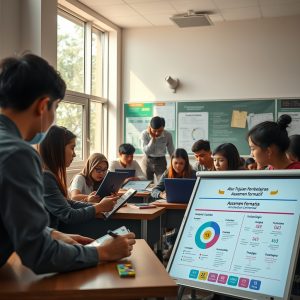
Critics, however, raise concerns about scalability and assessment. How do educators measure the success of a child who learns through planting trees or tracking wildlife? The answer lies in redefining success. Projects like Eco-Schools Indonesia use portfolios, reflections, and community impact assessments to evaluate learning outcomes, moving beyond standardized tests to capture the holistic growth of students.
Early Childhood Stimulation: Laying the Foundation for Lifelong Learning
While nature-based learning is transforming education for older students, another critical movement is unfolding in the earliest years of childhood. Early childhood stimulation—a concept that emphasizes sensory, cognitive, and social development in the first five years of life—is gaining recognition as a cornerstone of equitable education. In Indonesia, where disparities in access to quality early education persist, initiatives like Stimulasi Anak Usia Dini are working to bridge the gap by training parents, caregivers, and educators in evidence-based practices.
The science is clear: the first 1,000 days of a child’s life are pivotal in shaping brain development, emotional regulation, and future learning potential. Yet, in many Indonesian communities, early childhood education is either inaccessible or reduced to rote memorization. Programs that prioritize play-based learning, storytelling, and interactive activities are challenging this status quo. For example, the Yayasan Sayangi Tunas Cilik (Save the Children Indonesia) has developed mobile learning centers that bring early stimulation programs to remote villages, ensuring that even the most marginalized children receive a strong start.
Integrating Technology and Tradition
One of the most exciting developments in early childhood education is the fusion of technology with traditional learning methods. Digital literacy programs, such as Rumah Belajar (House of Learning), provide interactive apps and online resources that parents and teachers can use to engage young children in learning. These tools are not meant to replace human interaction but to enhance it, offering new ways to stimulate curiosity and creativity.
At the same time, there is a growing emphasis on preserving Indonesia’s cultural heritage within early education. Storytelling sessions featuring folktales like Malin Kundang or Bawang Merah Bawang Putih are being used to teach moral lessons, language skills, and cultural identity. This cultural contextual education ensures that children grow up with a strong sense of belonging and pride in their roots, even as they navigate a rapidly modernizing world.
The Role of Teachers and Communities in Shaping the Future
No educational transformation can succeed without the buy-in of teachers and communities. In Indonesia, teacher professional development programs are equipping educators with the skills to implement nature-based and early childhood learning effectively. Workshops on project-based learning and inclusive education strategies are helping teachers move away from lecture-based instruction and toward facilitator roles, where they guide rather than dictate learning.
Communities, too, are playing a pivotal role. In regions like East Nusa Tenggara, parents and local leaders are collaborating with schools to create community-led schooling models. These initiatives often blend formal education with vocational skills training, ensuring that learning is relevant to local economies. For instance, children might spend mornings in a nature-based classroom and afternoons learning traditional weaving or sustainable farming techniques from elders. This approach not only preserves cultural practices but also empowers students with practical skills for the future.
Challenges and the Path Forward
Despite these advancements, challenges remain. Funding disparities, resistance to change among traditional educators, and the need for more robust evidence-based education policy are hurdles that must be addressed. Additionally, ensuring equitable learning access for children with disabilities or those in conflict-affected areas requires targeted interventions and sustained investment.
Yet, the momentum is undeniable. As Indonesia continues to refine its education system, the integration of nature-based learning and early childhood stimulation offers a promising path forward. These approaches are not just about improving test scores or meeting global benchmarks; they are about nurturing well-rounded individuals who are curious, compassionate, and connected to their environment and communities. The classrooms of the future may look very different from those of the past, but their impact will be measured not just in what students know, but in who they become.