How Artificial Intelligence is Revolutionizing Personalized Learning

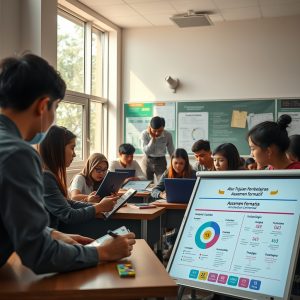
Imagine a classroom where every student receives a tailored learning experience, one that adapts to their unique strengths, weaknesses, and pace. This is no longer a distant dream but a rapidly unfolding reality, thanks to the transformative power of artificial intelligence. AI is reshaping the educational landscape, making personalized learning more accessible, engaging, and effective than ever before. From adaptive learning platforms to real-time feedback systems, AI is not just augmenting education—it’s redefining it.
The Rise of Adaptive Learning Platforms
At the heart of AI-driven personalized learning are adaptive learning platforms. These systems use sophisticated algorithms to analyze a student’s performance in real-time, adjusting the difficulty and type of content to match their individual needs. For instance, if a student struggles with a particular math concept, the platform can provide additional exercises, explanatory videos, or even one-on-one tutoring simulations to reinforce understanding. Conversely, if a student excels in a subject, the system can introduce more advanced material to keep them challenged and engaged.
Platforms like Khan Academy, Duolingo, and DreamBox have already integrated AI to create dynamic learning paths. These tools don’t just track progress; they anticipate it, offering a level of personalization that traditional classrooms simply cannot match. The result? Students learn at their own pace, reducing frustration and increasing motivation.
AI-Driven Content Recommendations
Beyond adaptive learning, AI is also revolutionizing how educational content is delivered. By leveraging machine learning, these systems can recommend resources—such as articles, videos, or interactive simulations—that align with a student’s interests and learning style. For example, a student who prefers visual learning might receive more infographics and animations, while another who thrives on hands-on activities could be directed toward interactive labs or virtual experiments.
This level of customization extends beyond the classroom. AI-powered tools like Coursera and edX use data from millions of learners to suggest courses and materials that are most likely to resonate with an individual’s goals and preferences. This not only enhances the learning experience but also empowers students to take ownership of their education, exploring topics that genuinely inspire them.
The Power of Real-Time Feedback
One of the most significant advantages of AI in education is its ability to provide instant feedback. Traditional learning often involves waiting days or even weeks for assignments to be graded, leaving students in the dark about their progress. AI changes this by offering immediate insights into performance, highlighting areas of improvement, and even suggesting specific strategies for mastery.
Tools like Grammarly for writing or Photomath for math problems exemplify this shift. They don’t just correct mistakes; they explain them, offering step-by-step guidance that helps students learn from their errors. This real-time feedback loop accelerates learning, builds confidence, and fosters a growth mindset, where challenges are seen as opportunities rather than obstacles.
Addressing the Challenges
While the benefits of AI in personalized learning are undeniable, the journey is not without its challenges. One of the most pressing concerns is data privacy. AI systems rely on vast amounts of student data to function effectively, raising questions about how this information is collected, stored, and used. Schools and edtech companies must prioritize transparency and security to ensure that sensitive data remains protected.
Another challenge is the digital divide. Not all students have equal access to the technology required for AI-driven learning, which could exacerbate existing inequalities in education. Bridging this gap will require concerted efforts from policymakers, educators, and tech developers to ensure that AI-powered tools are accessible to all, regardless of socioeconomic background.
Finally, there’s the question of human connection. While AI can personalize learning in ways that were previously unimaginable, it cannot replace the empathy, creativity, and inspiration that human teachers bring to the classroom. The goal of AI in education should not be to replace educators but to empower them, freeing up their time to focus on what they do best: mentoring, motivating, and inspiring students.
The Future of AI in Education
As AI continues to evolve, its potential to transform education grows even more exciting. Emerging technologies like natural language processing (NLP) and virtual reality (VR) are poised to take personalized learning to new heights. Imagine a virtual tutor that can engage in natural, conversational interactions with students, answering questions and providing explanations in real-time. Or a VR classroom where students can explore historical events, conduct science experiments, or practice language skills in immersive environments.
Moreover, AI is increasingly being used to identify at-risk students early, allowing educators to intervene before small challenges become insurmountable obstacles. By analyzing patterns in behavior, attendance, and performance, AI can flag students who may need additional support, ensuring that no one falls through the cracks.
Personalized learning powered by AI is not just about making education more efficient; it’s about making it more human. By tailoring the learning experience to each student’s unique needs, AI has the potential to unlock their full potential, fostering a generation of lifelong learners who are curious, confident, and capable of thriving in an ever-changing world. The future of education is here, and it’s more personalized, inclusive, and empowering than ever before. As we continue to explore the possibilities, one thing is clear: AI is not just changing how we learn—it’s changing how we think about learning itself.