Cultivating World-Class Talent: How Indonesia’s Sekolah Unggulan Nasional Fuels Global Competence Through Worldskills Mastery
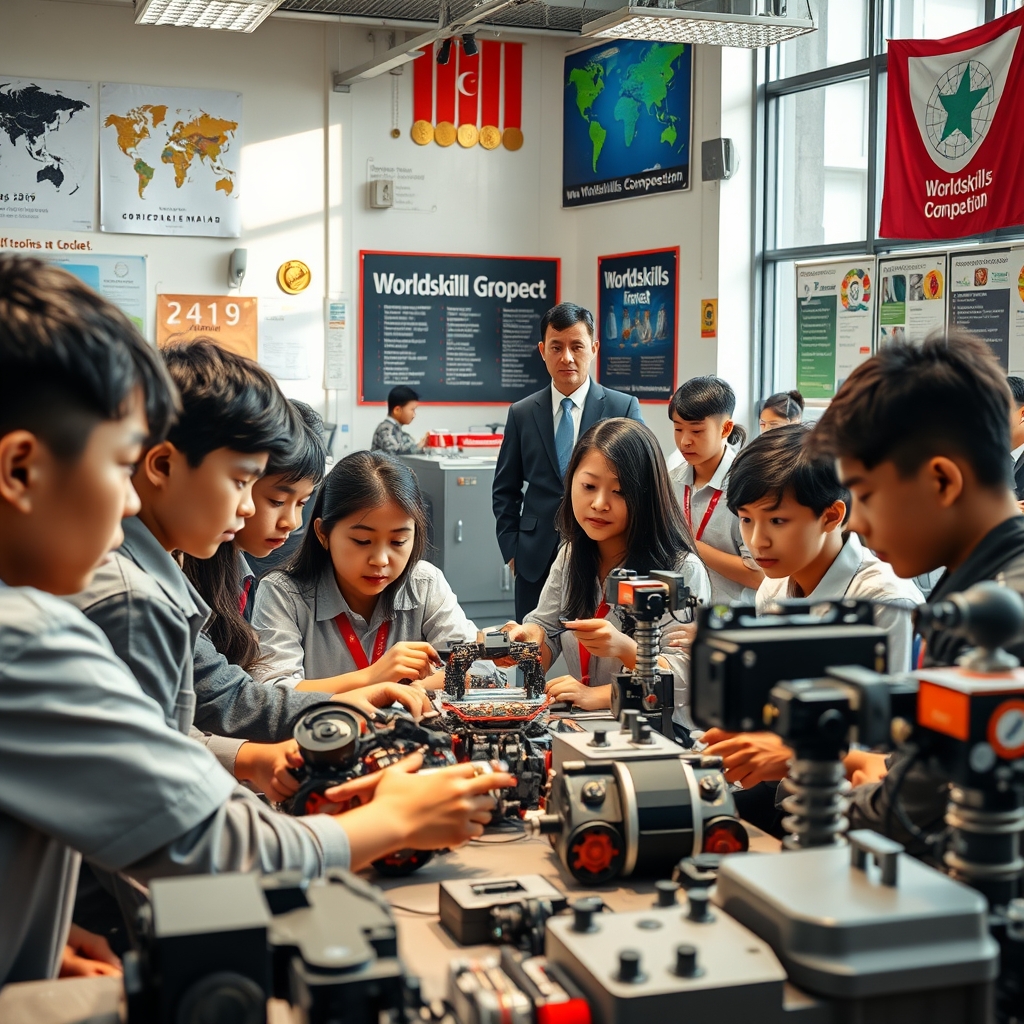
The pursuit of excellence in education has taken on a new dimension as Indonesia’s Sekolah Unggulan Nasional (National Elite Schools) redefine what it means to prepare students for the global stage. At the heart of this transformation lies the Juara Worldskills Competition, a prestigious platform where young talents showcase their skills, creativity, and technical prowess on an international level. These schools are not merely institutions of learning; they are incubators of future leaders, innovators, and problem-solvers who are equipped to thrive in a rapidly evolving world.
The Role of International Curriculum in Shaping Global-Ready Students
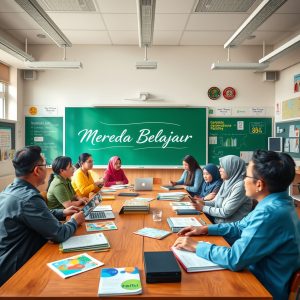
The implementation of an implementasi kurikulum internasional (international curriculum) has become a cornerstone of Indonesia’s elite schools. By integrating globally recognized standards, these institutions ensure that students are not only academically proficient but also culturally adaptable and technically competent. The curriculum is designed to foster critical thinking, collaboration, and creativity—skills that are essential for success in competitions like Worldskills and beyond.
One of the key advantages of an international curriculum is its emphasis on hands-on learning. Students are encouraged to apply theoretical knowledge in real-world scenarios, whether through project-based assignments, industry collaborations, or participation in national and international competitions. This approach not only enhances their technical skills but also builds confidence and resilience, qualities that are invaluable in high-stakes environments like the Worldskills arena.
From Classroom to Global Podium: The Journey of a Worldskills Champion
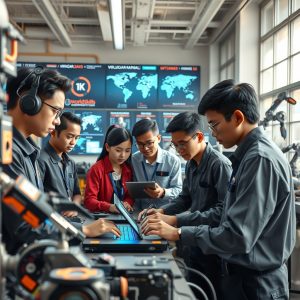
The path to becoming a Juara Worldskills Competition is paved with dedication, mentorship, and an unwavering commitment to excellence. For many students, the journey begins in the classrooms of Sekolah Unggulan Nasional, where they are introduced to cutting-edge technologies, industry best practices, and a culture of innovation. These schools provide a nurturing environment where students can explore their passions, refine their skills, and push the boundaries of their potential.
Mentorship plays a crucial role in this process. Experienced educators and industry experts guide students through rigorous training programs, helping them develop the technical and soft skills needed to compete at an international level. The focus is not just on winning medals but on cultivating a mindset of continuous improvement and lifelong learning. This holistic approach ensures that students are not only prepared for competitions but also for the challenges of the global workforce.
Innovative Learning Ecosystems: The Backbone of Worldskills Success
The success of Indonesia’s elite schools in producing prestasi siswa berkelas dunia (world-class student achievements) is rooted in their innovative learning ecosystems. These ecosystems are designed to be dynamic, inclusive, and responsive to the needs of students. From state-of-the-art facilities to modern teaching methodologies, every aspect of the learning environment is tailored to foster creativity, collaboration, and critical thinking.
One of the standout features of these ecosystems is the integration of program kelas internasional (international class programs). These programs offer students the opportunity to engage with global perspectives, whether through exchange programs, virtual collaborations with international peers, or participation in global competitions. By exposing students to diverse cultures and ideas, these programs broaden their horizons and prepare them for a interconnected world.
The Power of Collaboration: Building a Global Network of Excellence
Collaboration is a key driver of success in the Worldskills competition and beyond. Indonesia’s elite schools recognize the importance of fostering partnerships with industry leaders, educational institutions, and government agencies to create a robust support system for students. These collaborations provide students with access to cutting-edge resources, expert mentorship, and real-world experiences that are essential for their growth.
For example, many Sekolah Unggulan Nasional have established partnerships with multinational companies to offer internships, workshops, and training programs. These initiatives not only enhance students’ technical skills but also give them a glimpse into the professional world, helping them develop a clear vision for their future careers. Additionally, collaborations with international educational institutions enable students to participate in exchange programs, further enriching their learning experiences.
Preparing Students for the Global Workforce: Beyond the Medals
While winning a medali emas Worldskills (Worldskills gold medal) is a remarkable achievement, the true measure of success lies in the long-term impact on students’ lives. Indonesia’s elite schools are committed to preparing students for the global workforce by equipping them with the skills, knowledge, and mindset needed to excel in any field. This includes not only technical competencies but also soft skills such as communication, teamwork, and adaptability.
The focus on kesiapan kerja global (global work readiness) is evident in the way these schools structure their programs. For instance, many institutions offer sertifikasi kompetensi global (global competency certifications) that are recognized by industry leaders worldwide. These certifications validate students’ skills and make them more competitive in the job market, opening doors to opportunities both locally and internationally.
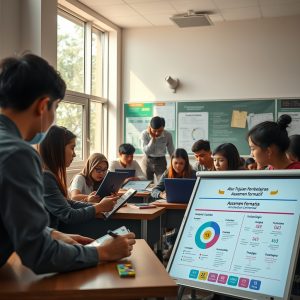
Moreover, the emphasis on inovasi pendidikan sekolah (school education innovation) ensures that students are exposed to the latest trends and technologies in their respective fields. Whether it’s through hands-on training in modern laboratories, participation in hackathons, or engagement with industry experts, students are constantly challenged to think creatively and solve real-world problems. This approach not only prepares them for competitions like Worldskills but also for the dynamic and ever-changing demands of the global economy.
Fostering a Culture of Creativity and Innovation
At the core of Indonesia’s elite schools is a commitment to fostering a culture of creativity and innovation. These institutions understand that the ability to think outside the box is what sets world-class talents apart. To this end, they have created environments that encourage experimentation, risk-taking, and the pursuit of excellence.
One way this is achieved is through the integration of ekosistem sekolah kreatif (creative school ecosystems). These ecosystems are designed to be flexible, adaptive, and student-centered, allowing learners to explore their interests and develop their unique talents. Whether it’s through art, technology, or entrepreneurship, students are given the freedom to innovate and create, fostering a sense of ownership and pride in their work.
Additionally, these schools often host ajang talenta nasional (national talent events) and lomba kompetensi siswa (student competency competitions) that provide students with platforms to showcase their skills and gain recognition. These events not only motivate students to strive for excellence but also create a sense of community and camaraderie among peers, further enhancing the learning experience.
The journey of Indonesia’s Sekolah Unggulan Nasional in cultivating world-class talent is a testament to the power of innovative education. By embracing international curricula, fostering creative learning ecosystems, and prioritizing global work readiness, these schools are not only producing champions in competitions like Worldskills but also shaping the leaders of tomorrow. As the world continues to evolve, the lessons learned in these institutions will serve as a foundation for students to navigate the complexities of the global landscape with confidence, creativity, and competence. The future of education in Indonesia is not just about achieving excellence; it’s about redefining it for generations to come.